
Online poker is a game of skill, patience, and—let’s be honest—a little luck. But even seasoned players fall into traps that drain their bankrolls faster than a bad beat. Here’s the deal: avoiding these five common mistakes can mean the difference between grinding profitably and tilting into oblivion.
1. Playing Too Many Hands
New players often treat poker like a buffet—sampling every hand, hoping for a miracle. The truth? Tight is right in most games. You wouldn’t bet your rent money on a 7-2 offsuit (well, hopefully), yet players limp in with marginal hands way too often.
Key stats: Even pros only play about 20-30% of hands in full-ring games. If you’re exceeding that, you’re likely bleeding chips.
How to Fix It:
- Stick to premium hands early (think A-K, pocket pairs, suited connectors).
- Fold more in early position—you’re not missing much.
- Use a HUD (Heads-Up Display) to track your VPIP (Voluntarily Put $ In Pot) and keep it under control.
2. Ignoring Position
Position is power in poker. Acting last lets you see how opponents behave before you decide. Yet, players routinely ignore it, calling raises out of position like they’ve got a death wish.
Imagine playing chess without noticing whose turn it is. That’s what playing hands from early position feels like—you’re handicapped before the flop even hits.
How to Fix It:
- Play tighter from early positions, looser from late positions.
- Avoid calling big raises out of position unless you’ve got a monster.
- Steal blinds more often when you’re on the button—it’s free real estate.
3. Overvaluing Weak Hands
That ace-rag suited looks pretty… until you’re stacking off against A-K. Players cling to weak aces, small pairs, and suited gappers like they’re invincible. Spoiler: they’re not.
Here’s a brutal truth: top pair with a weak kicker loses money long-term. So does chasing straights with 3-5 offsuit. But the brain loves patterns—even when they’re illusions.
How to Fix It:
- Fold more often when you’re unsure. Seriously.
- Ask: “Would I call a raise with this hand?” If not, don’t play it.
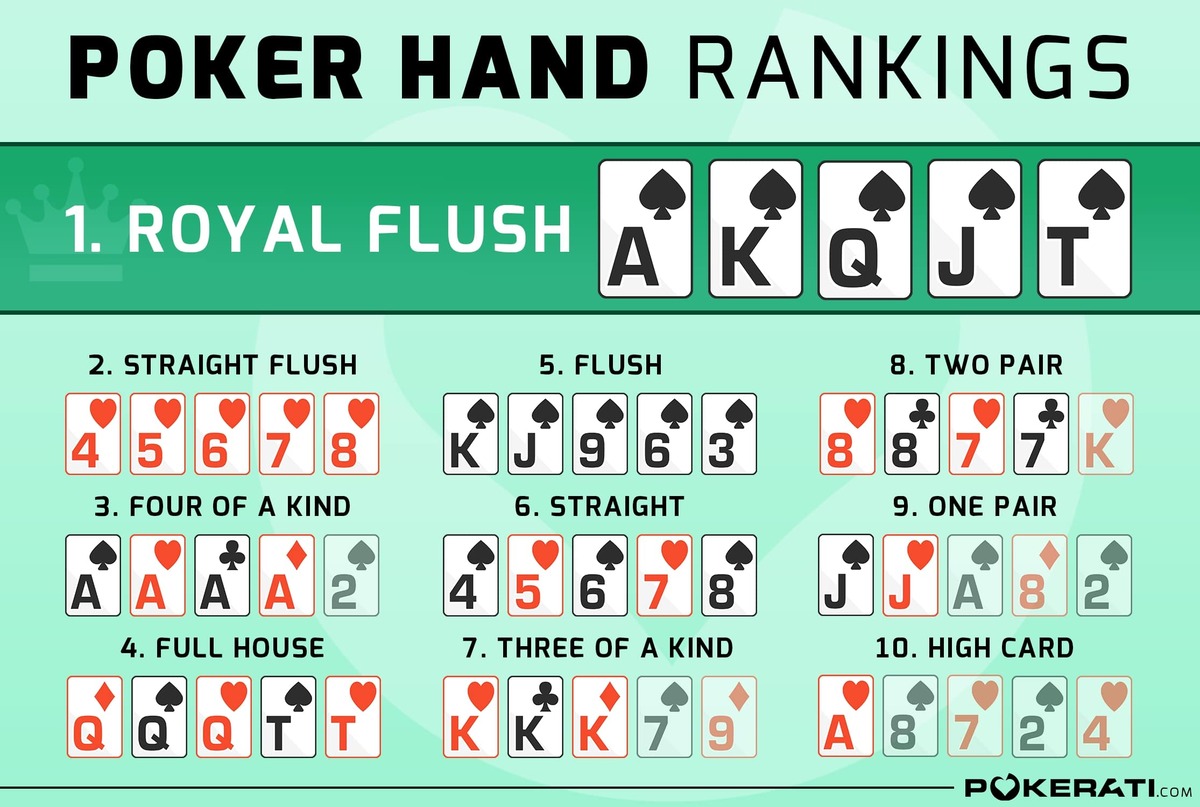
- Study hand rankings and equity calculators to see how weak hands really perform.
4. Tilt: The Silent Bankroll Killer
Bad beats happen. Coolers happen. But tilting—letting emotions dictate your play—turns a temporary loss into a full-blown disaster. You know the feeling: that urge to shove all-in after a suckout, just to “get even.”
Tilt isn’t just anger. It’s also frustration, overconfidence (“I’m due for a win!”), or even boredom. And online, where you’re alone with your thoughts, it’s extra dangerous.
How to Fix It:
- Set stop-loss limits (e.g., quit after losing 3 buy-ins).
- Take breaks after bad beats—stand up, walk around, reset.
- Use software like Leak Buster to spot tilt-induced leaks in your game.
5. Poor Bankroll Management
Bankroll management isn’t sexy, but neither is going broke. Players jump into high-stakes games with 10 buy-ins, then panic when variance hits. Or worse—they reload repeatedly, chasing losses.
Think of your bankroll like a small business’s capital. You wouldn’t risk 50% of it on one deal, right? Poker’s no different.
How to Fix It:
- Play stakes where you have at least 20-30 buy-ins for cash games, 50+ for tournaments.
- Move down if you hit a rough patch—ego won’t pay the bills.
- Track your results with tools like PokerTracker or Hold’em Manager.
The Bottom Line
Poker’s a marathon, not a sprint. The players who last—and profit—are the ones who minimize these mistakes. Sure, luck swings in the short term. But skill? That’s forever.